How to Choose the Right Quad Biking Adventure in Dubai
Quad biking in Dubai can mean a slow ride over open sand, a guided route through dunes, or a faster session on a defined track. The right choice depends less on the biggest engine or the boldest photos and more on matching the ride to your experience, comfort level, and expectations. Work through the decision in order, and each later choice becomes easier.
Start with the rider, not the bike
Begin by being honest about who will ride. A first-timer, a confident weekend rider, and someone used to off-road terrain do not need the same machine or route. If the group includes children, newer riders, or people who are simply curious, look for an option with clear instruction, a controlled area, and a pace that does not rely on speed to feel exciting.
Experience matters because a quad bike handles differently from a road vehicle. Weight shifts, steering feels heavier in loose sand, and stopping distances change on uneven ground. A rider who is calm at low speed will usually get more from the outing than one pushed into a difficult route too soon. Check whether a licence or prior experience is expected, and ask what happens if someone in the group feels unsure on the day.
Decide what kind of ride you want
Quad biking dubai options are often described in broad terms, so look past the label and picture the actual experience. A short introduction may suit someone testing the activity for the first time. A longer dune route may appeal to riders who want a stronger sense of distance and terrain. A track-based session can feel more structured, with clear boundaries and repeated turns.
Think about the balance between scenery, instruction, and riding time. Some outings spend a share of the session on preparation and safety briefings, which is useful, especially for new riders. Others focus more on movement and less on explanation. Neither is automatically better. The right fit depends on whether you want to learn, explore, or simply enjoy a confined ride with clear limits.
When comparing descriptions, notice whether the route is described as open desert, a private area, or a set circuit. Each has a different feel. Open terrain can look impressive but requires good control and clear guidance. A defined circuit may be less dramatic in photos, yet it can make the ride easier to follow and safer for mixed abilities.
Check the bike class and control level
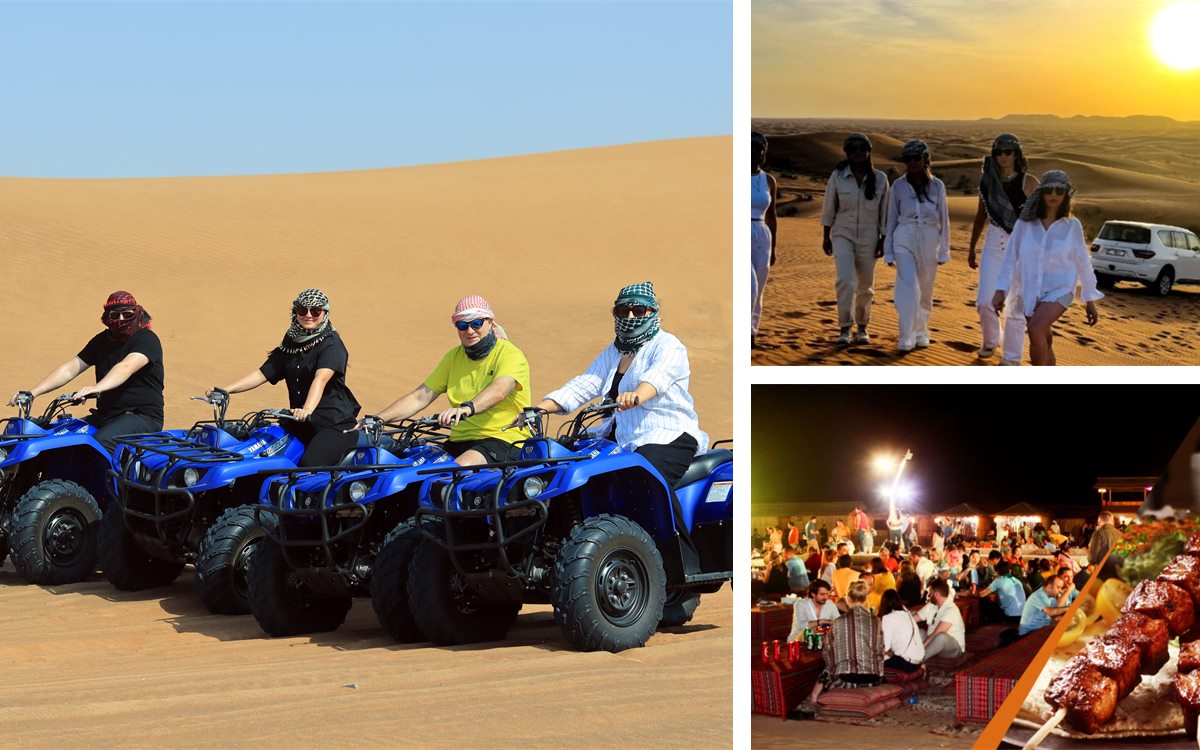
Quads vary by engine size, physical weight, braking response, and how forgiving they feel at low speed. Bigger is not always better. A smaller, manageable bike can be easier to steer through sand and less tiring over a longer session. A powerful machine can be enjoyable for an experienced rider, but it demands more attention and space.
Ask how the bikes are matched to riders. A sensible setup considers height, strength, confidence, and previous off-road experience. It also avoids placing a cautious rider on a machine that reacts sharply to small throttle inputs. If the group has mixed abilities, check whether the pace can be adjusted without leaving anyone behind or encouraging unsafe riding to keep up.
Pay attention to the controls before committing. A rider should understand where the throttle, brakes, gears if present, and kill switch are located before the engine is started. Gloves, eye protection, and covered footwear can make a real difference to comfort. Loose clothing, scarves, and unsecured bags are poor choices around any moving vehicle.
Read the safety setup carefully
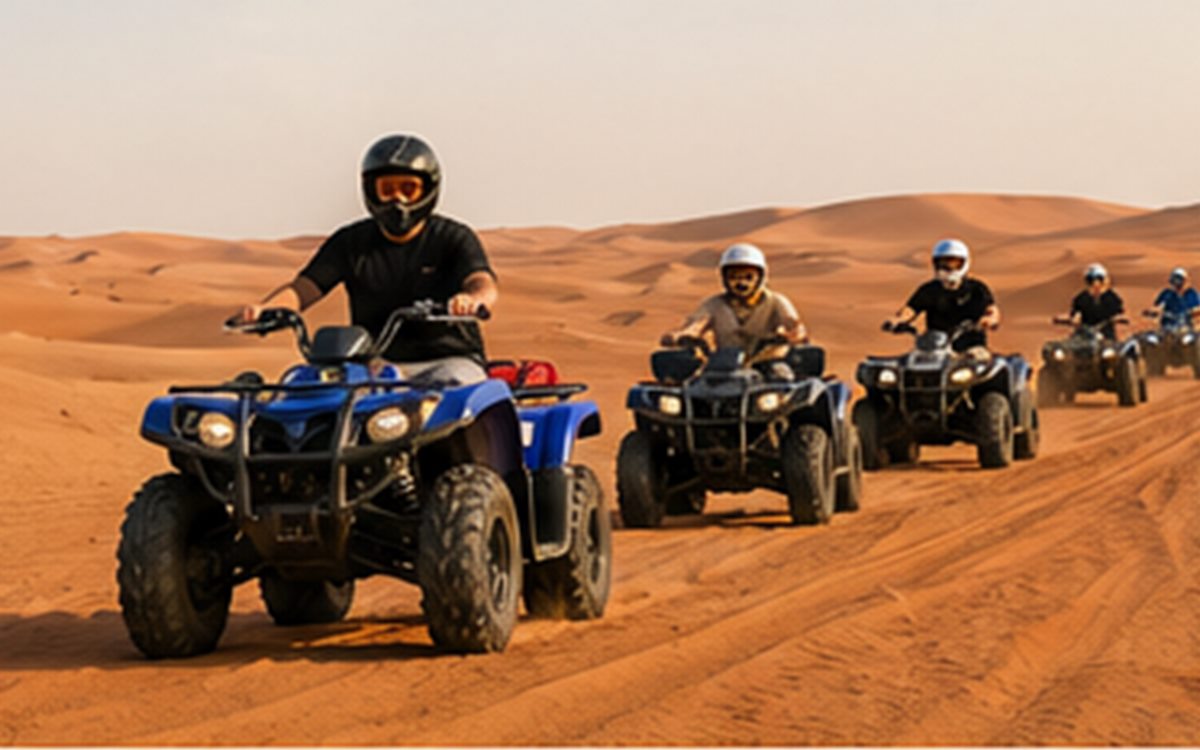
Safety is not a small print detail. A well-run riding experience makes boundaries, signals, and stopping rules clear before anyone moves off. The briefing should explain hand signals, what to do if the group separates, and how riders should behave when crossing uneven ground. Watch for a plan that relies only on following the rider ahead at speed.
Ask whether helmets are provided and whether they fit properly. A helmet that slides around or sits too far back offers poor protection. Check whether the ride is supervised and how that supervision works in practice. Clear guidance matters most at turns, stops, and moments when a rider becomes unsure.
It is also sensible to ask what happens in the heat. Dubai conditions can affect both people and machines. Water, shaded waiting areas, and a realistic session length all matter more than they may first appear. Riders who are tired or overheated make poorer decisions, so a shorter ride at the right time of day can be better than a long one that feels uncomfortable.
Compare timing, group size, and pace
The time of day changes the ride. Softer light and cooler conditions can make a session more comfortable, while midday heat can drain energy quickly. Sand also changes with temperature and use, so the same area can feel different at different times. If the choice is flexible, aim for a slot that gives riders room to focus rather than rush.
Group size shapes the experience. A very large group can feel lively, but it may also mean longer pauses, less individual attention, and pressure to ride in a tight line. A smaller group often allows clearer communication and a more relaxed pace. For newer riders, that can be worth more than a lower headline cost.
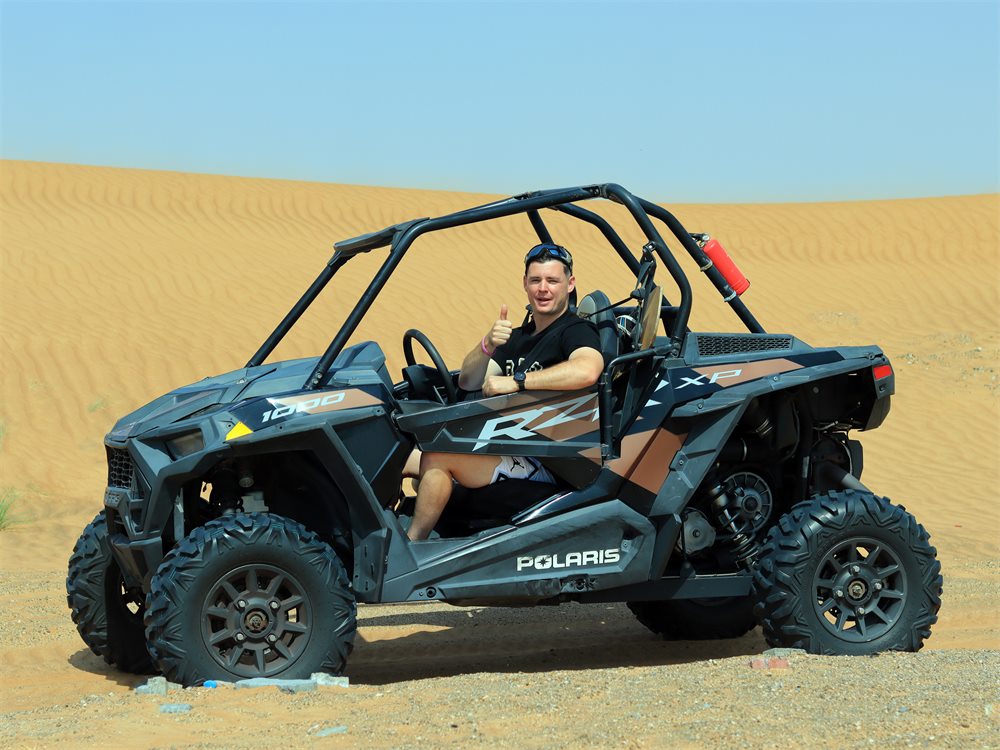
When looking at a named operator such as AL Jazeera Tours, compare the ride description with your own priorities rather than choosing on name alone. Check what is included in the session, what riders are expected to bring, and how the route is described. If details are unclear, ask before booking instead of guessing on the day.
Understand the rules before you arrive
Before making a reservation, read the terms that affect participation. Age limits, identification requirements, weight ranges, health restrictions, and cancellation rules can all shape whether a ride is suitable. These details are normal for motorised activities and are easier to handle in advance than at the start point.
Ask about insurance and liability in plain language. Find out what cover applies, what it excludes, and what the rider is responsible for. This is not about expecting problems. It is about understanding the agreement before taking part in an activity with real physical risk.
Some riders focus on the machine and forget the simple logistics. Confirm the meeting point, arrival time, and what happens if someone is late. Check whether there is a place to leave bags and whether valuables can be kept secure. These details do not make the ride faster or more thrilling, but they help the day run smoothly.
A website such as aljazeeratours.com can be useful for comparing the basic shape of an outing, but any unclear point should be confirmed directly. The aim is to arrive with the same understanding as the operator, not with assumptions built from photos.
Look beyond the promotional images
Photos and videos can make every ride look similar. Look for details that reveal how the experience is organised. Are riders shown wearing proper protection? Are the bikes appropriate for the terrain? Does the footage show controlled movement or reckless riding? A polished image means little if the basics are not clear.
Reviews can help when they describe specific points, such as briefing quality, route clarity, or how mixed abilities were handled. Treat vague praise with caution, and give more weight to comments that explain what actually happened. Repeated mentions of confusion, rushed briefings, or poor communication deserve attention.
AL Jazeera Tours may appear among the names considered while shortlisting options, but the decision should still rest on fit. Compare like with like: similar session length, similar terrain, similar rider requirements, and similar group conditions. Otherwise, one option may look better simply because it is being compared on different terms.
Make the final choice with a calm check
By this stage, narrow the decision to the option that suits the least confident rider in the group as well as the keenest one. A ride that only works for the most experienced person can create tension from the start. Good choices leave room for adjustment, clear rules, and a pace that lets everyone enjoy the terrain.
Before confirming, run through a short final check. The route type should match the group's ability. The bike class should feel manageable. Safety equipment, briefing, supervision, and heat planning should be clear. The booking terms should be understood. If any of these points remain fuzzy, pause and ask rather than relying on guesswork.
Choosing well is not about finding the most extreme ride. It is about matching terrain, machine, guidance, and timing to the people who will actually be riding. When those pieces line up, quad biking in Dubai is easier to enjoy and far less likely to feel like a mismatch on the day.